







Speak with an Instrument Expert during business hours!
Business Hours:
Mon-Fri: 8:30am - 5:00pm
Sat-Sun: Closed

You Call, We Answer!

Email us directly
More Information
1-800-826-5482
support@goldtonemusicgroup.com
Find A Dealer
Return Policy
Warranty Registration
Service Center
Return / Warranty Claim Center
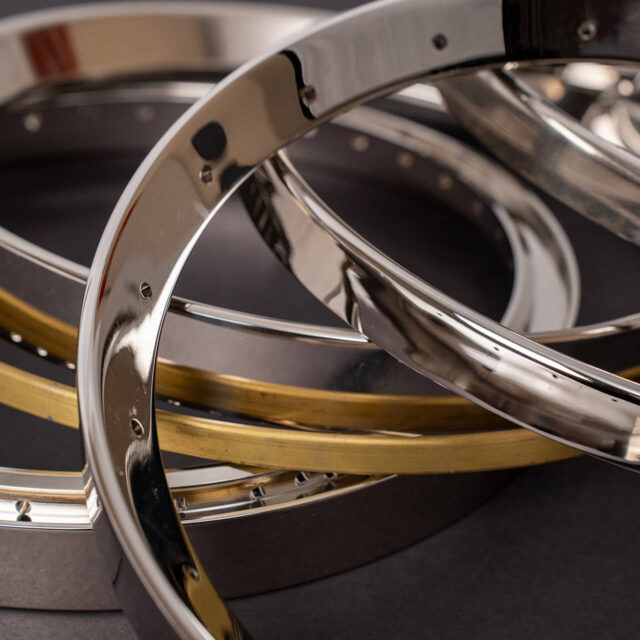
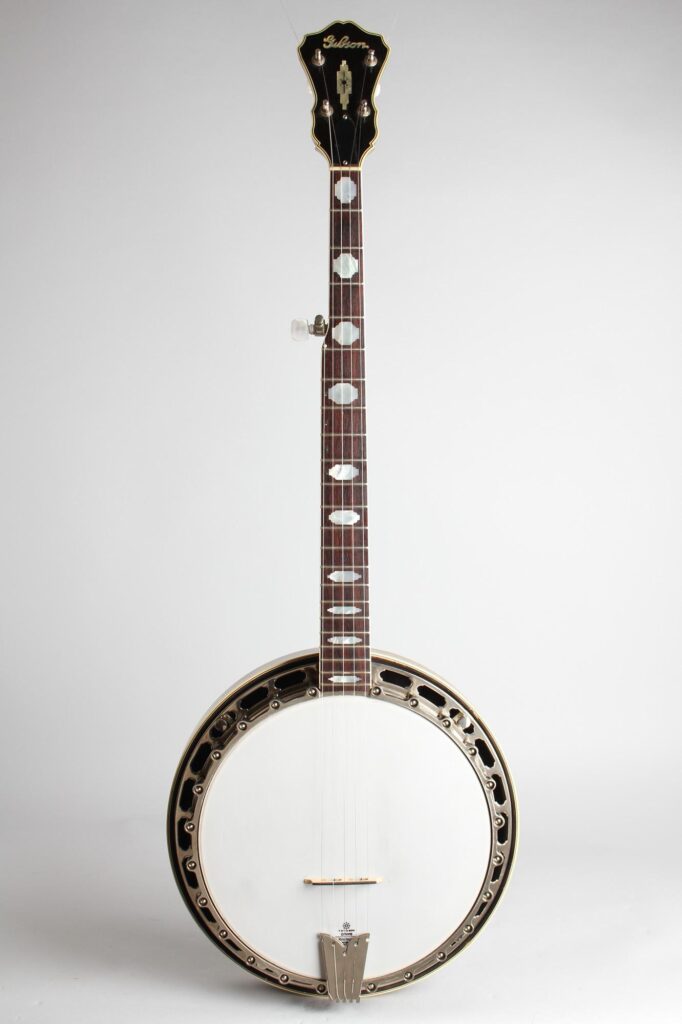
In the period leading up to the outbreak of World War II, a number of innovative features were introduced into top-tension banjos. These include the radiused “Stream-Flo” neck, familiar on many acoustic guitars of the era, and the introduction of a top-tension counter hoop and a threaded flange to maintain constant head tension with the use of hide heads that were highly sensitive to the changes in humidity.
However, the most fascinating design feature that came to characterize the top-tension banjos was the use of the resonator itself, and what purpose did it really serve?
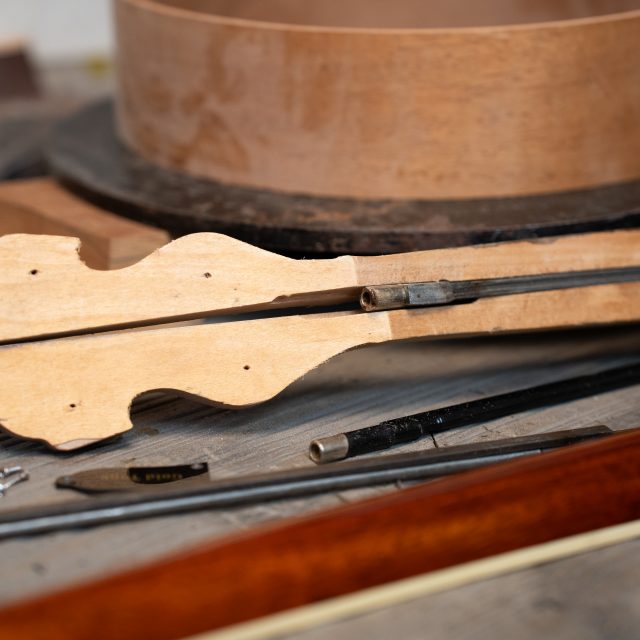
Conventional banjo resonator backplates consisted of laminated wood – three sheets of wood glued together and curved under pressure to create a bowl-like shape. Although this design gave the impression of the quality build and contributed to the visual appeal, it limited the resonator’s acoustics. Because there were several layers of wood, and even more layers of glue between the layers of wood, the plate could not resonate effectively.
Instead, the back plate reflected the sound waves toward the banjo head through the openings in the flange and then directed them toward the listener. In essence, the resonator did not add to the richness of tone produced by the instrument; it simply reflected the sound waves.
Another striking feature of top-tension banjos was that while the resonator’s exterior design included a beautiful compound curve, its inside remained flat. There was a good reason for such design.
As mentioned before, shaping wood into a curved structure was an intricate procedure in the 1930s. It meant long hours of hard work, especially in carving the exterior. To repeat that process to shape the inner side of the back plate was too much work. Therefore, manufacturers found it easier just to leave it flat.
Although it seemed to be a reasonable approach from the manufacturing point of view, such a decision resulted in a loss of tone quality due to the additional mass that was placed in front of the instrument’s body. On average, top-tension resonators had a flat interior made from wood about half an inch thick.
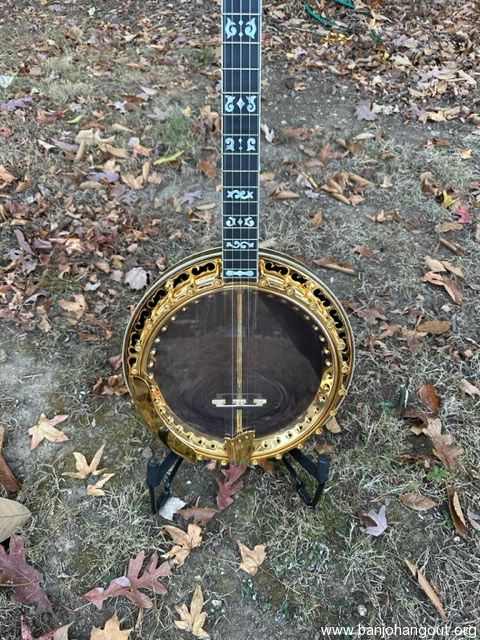
Also, being parallel to the underside of the head of a banjo, this thick wooden plate generated standing waves, which caused phase cancellation and loss of tone quality. This reduced both the dynamic range and the amount of volume an instrument was capable of projecting.
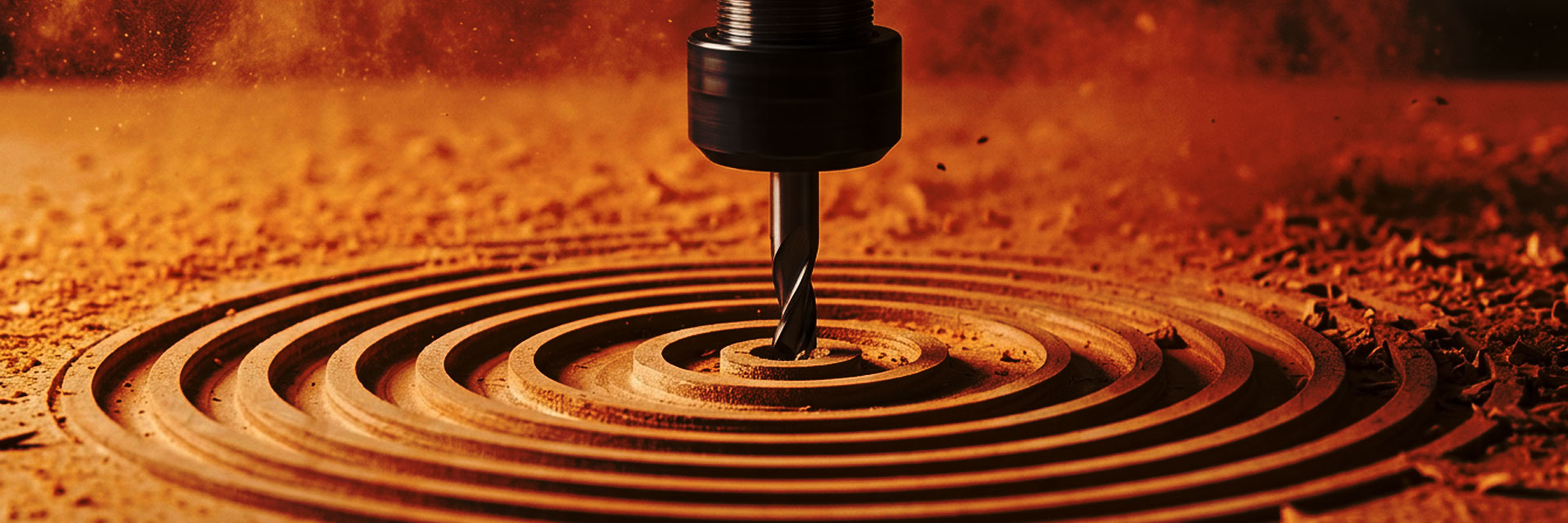
Fortunately, the advances in manufacturing technology allow us to rethink this old design and bring the improvement to its acoustics. With modern Computer Numerical Control (CNC) machinery, it is possible to carve the interior of the resonator and make it as curvy as the outside. As a result, the back plate becomes a solid piece of wood that is free to resonate.
Thus, like in a fine archtop jazz guitar, the carved resonator back adds to the complexity of the sound produced by the instrument and allows for a greater dynamic range of tone colors.