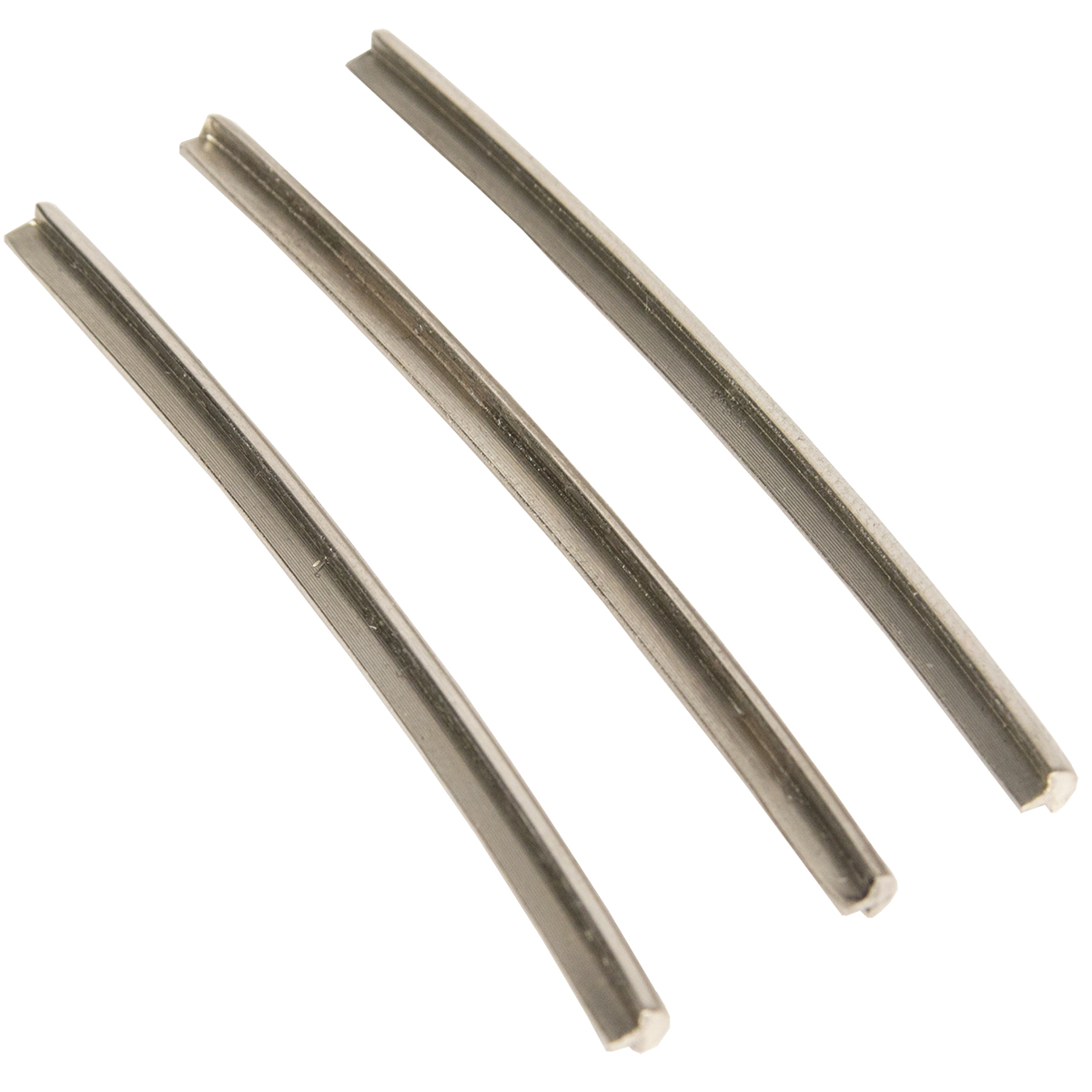
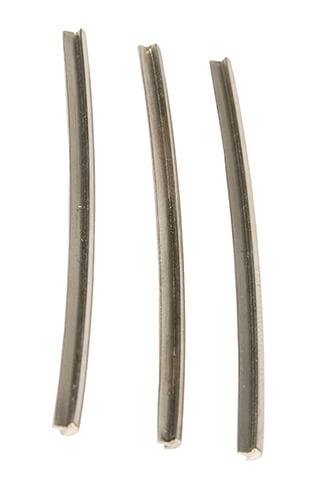
These replacement frets are specially designed with an offset tang for our Zero Glide nut system. Comes in a pack of 3.
Available in Low (.035"), Medium (.039"), High (.043"), Jumbo (.051"), Super Jumbo (.057").
Works as described but installation was a pain. I have a warmoth tele neck that I installed it to. I had to cut back the nut slot a little to fit the new bone nut and fret in place. I thought it would just drop in.. I wasn't anticipating that but my skills didn't let me down. I filed the nut and fret down on both sides a little, added some super glue and now it works great. i have a bigsby so tunning is a breeze now!
I just installed a Zero Glide Nut on my '14 Les Paul Studio. I was having trouble with the traditional *tink* and tuning issues often associated with Gibsons. Initially, I was going to try the new titanium nut made by Gibson but was told that it would not fit my '14 Les Paul. Keep in mind, I have never installed a nut before on a guitar where I needed to remove the old one. I had only fixed broken nuts in the past. I say this because I had a little anxiety when I decided to install the nut myself. The first thing I noticed was how much extra material must be sanded to get a perfect fit. For my application, I had to sand the bottom of the nut as well to get the fret to seat properly against the fret board. This may sound bad, but it is a good thing! It means that the folks at Stew-Mac realize (as I hope you do) that although these are precision instruments, there are many parts that are finished out by hand. The extra material allows for those minor variations and with a little work,
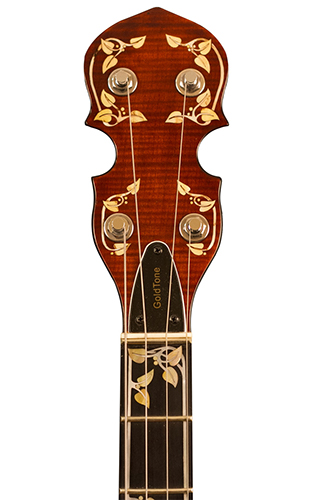
The bone nut was easy to install. I sanded the length and depth with a table sander. The instructions are complete and easy to follow. Four zero frets of different sizes are included in the banjo kit--you try the smallest and work your way up until you have no open string buzz. Use medium viscosity cyanoacrylate (available from Stewmac) so you have time to set the nut and fret properly. I'm pleased with the results, improved tone, and hammer-ons and pull-offs are more defined.
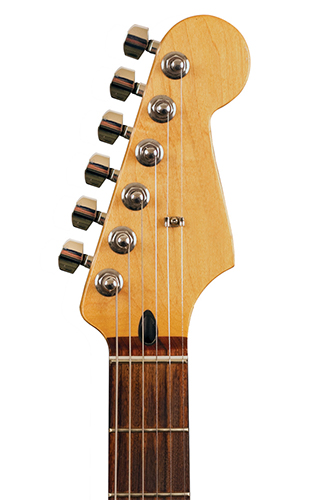
I bought two of these, one Gibson-style and one Fender-style for two of my favorite project guitars, an Epiphone LPX and my Jazz-O-Caster parts guitar. The Gibson was a near drop-in, needing only some trimming and shaping for a perfect fit. The Fender was slightly more challenging, as the neck on the Jazz-O-Caster never saw the inside of any Fender-approved factory! It required a 1/32" shim underneath for a proper fit, and some sanding to make room for the tang. There was a marked increase in the brightness of tone for both instruments, as well as improved intonation. This is MUCH easier than installing a traditional nut, and nearly foolproof IF you follow the instructions. Thanks, Stewart-Macdonald, for stocking such a well-engineered product.